← BACK TO THE CHASE
JUNE 18, 2026
One Day Behind
the Camera
From sunrise at Lake Red Rock to an evening in the weight room, an inside look at our first full production day.
← BACK TO THE CHASE
JUNE 18, 2026
One Day Behind
the Camera
From sunrise at Lake Red Rock to the weight room, an inside look at our first full production day.
At 6:00 in the morning, Lake Red Rock was still quiet.
The beach and surrounding trails gave us the setting we had hoped for: open water, early light and a team gathering for one of the ordinary summer mornings that will quietly shape the season ahead.
By the time the athletes arrived, the cameras were ready.
Thursday, June 18, was our first full production day for Drive for Five: Chasing History. Over the next fourteen hours, we followed the team through a long run, recorded interviews across Pella, spent time with one athlete’s family and finished the evening at the high school for strength and leadership training.
It was one day—but it revealed just how many different stories exist inside this program.
Beginning on the Trail
The team met at North Overlook parking lot around 6:30 a.m. There was conversation, laughter and a birthday to recognize before the group warmed up and disappeared onto the trail for its long run.
For the athletes, it was another summer practice.
For our crew, it was the challenge of documentary filmmaking in miniature: anticipate where the runners will be, move quickly, capture the moment and try not to disturb it.
There are no second takes during a training run.
A runner passes through the frame once. A quick exchange between teammates happens naturally and then disappears. The morning light changes by the minute.
Our job was to remain close enough to see the story without changing the experience we were there to document.
When the run ended, the team cooled down and stretched. We then spent additional time filming individual and group portraits—more deliberate images that will help introduce the athletes as the film unfolds.
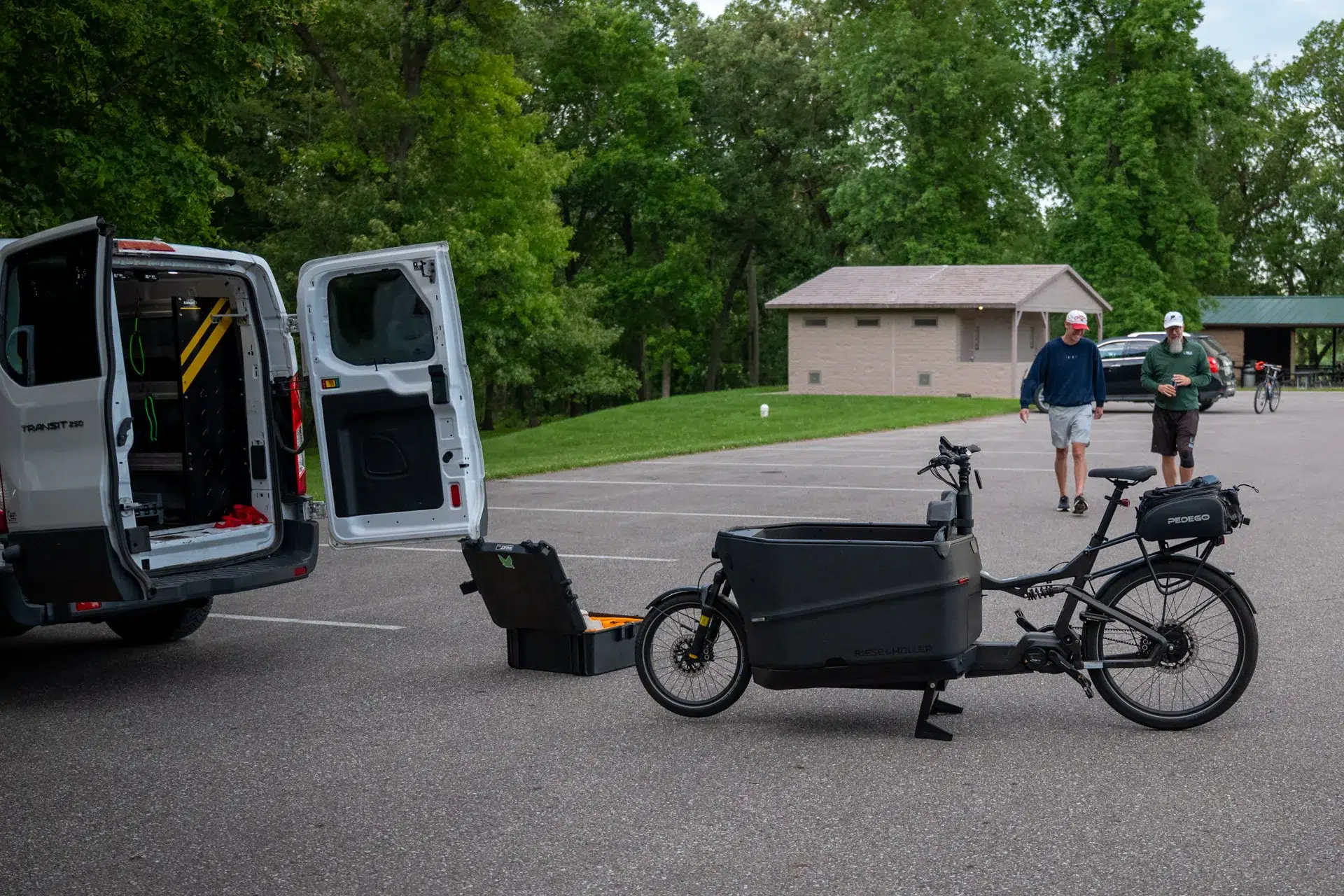
By breakfast, we had already been filming for several hours.
The day, however, was only beginning.
A Day of listening
The middle of the day shifted from movement to conversation.
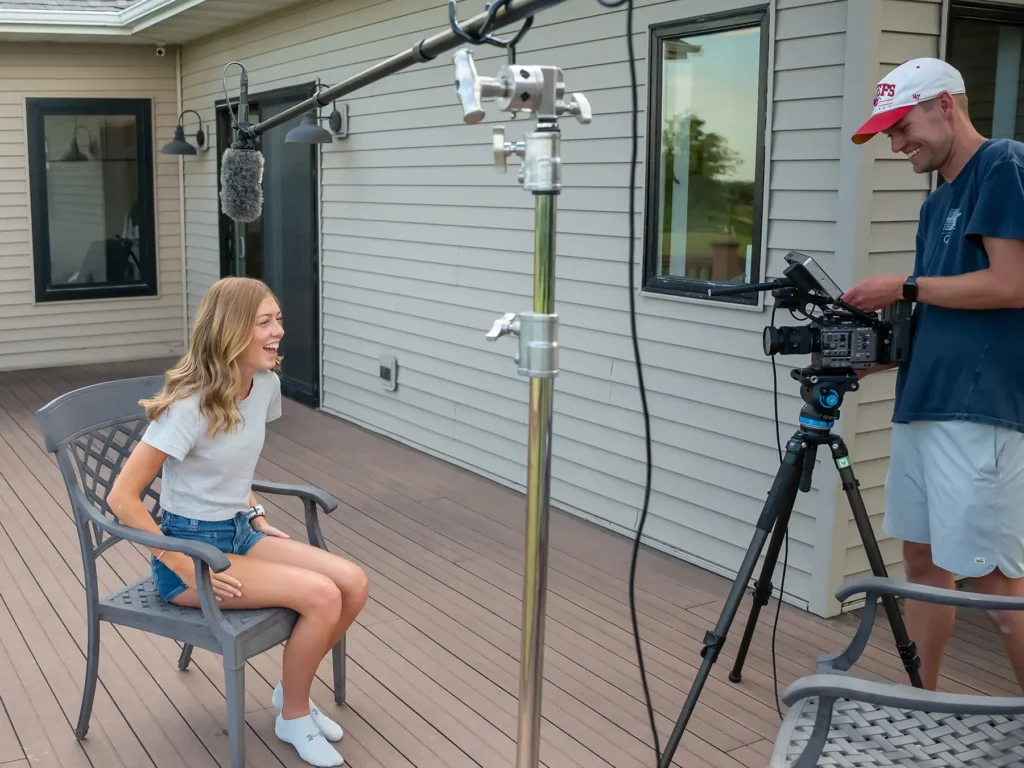
We traveled between interview locations, setting up lights, cameras and microphones before sitting down with former athletes, coaches, family members and people who have watched the program develop over time.
Each conversation offered another piece of the larger picture.
Some helped us understand the history of Pella cross country. Others reflected on the culture surrounding the program, the expectations that accompany sustained success and the ways leadership are passed from one group of athletes to another.
Former athletes and coaches provided memories that connect the current season to the years that came before it.
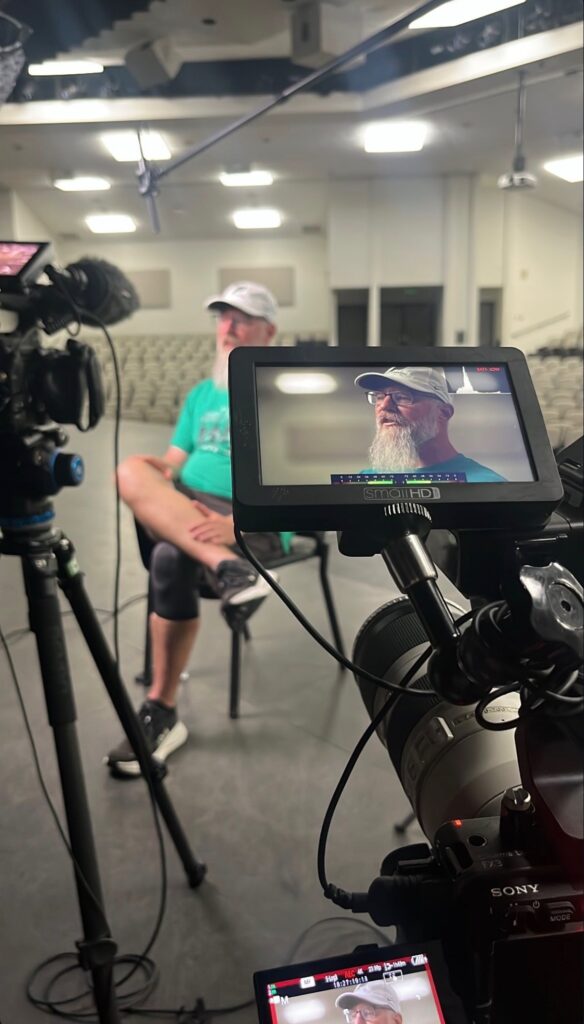
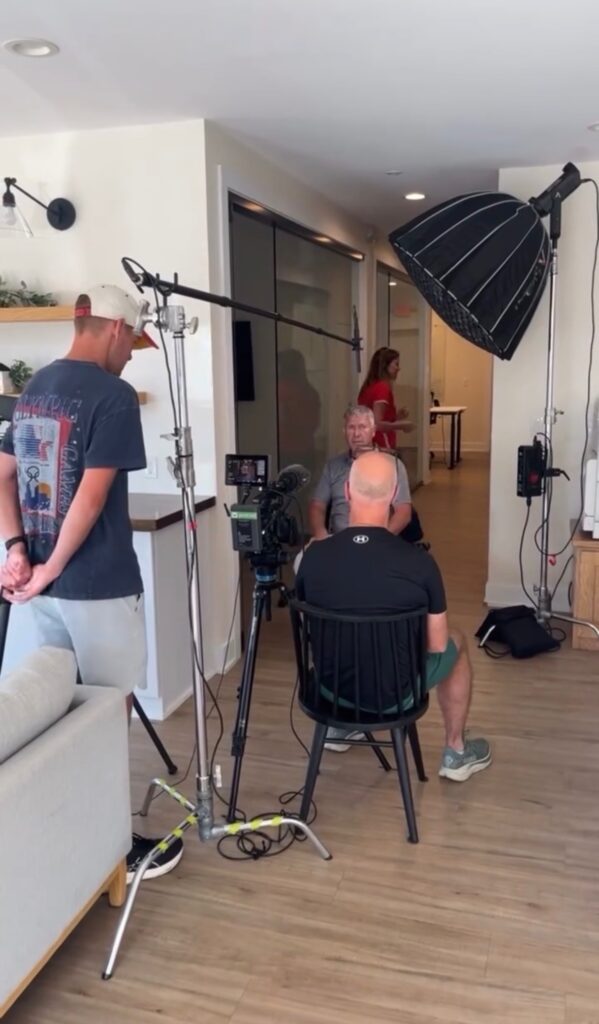
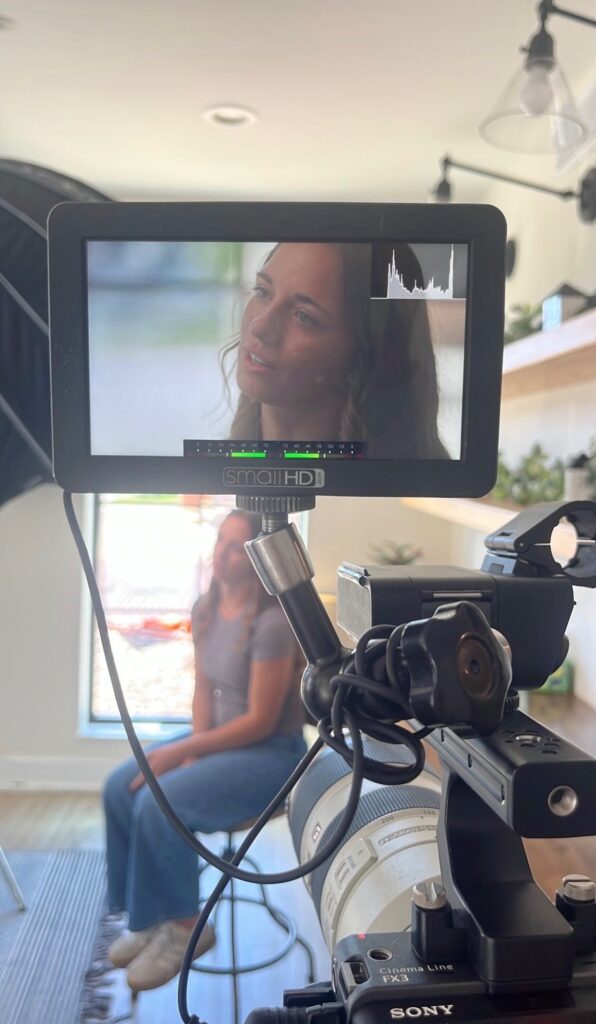
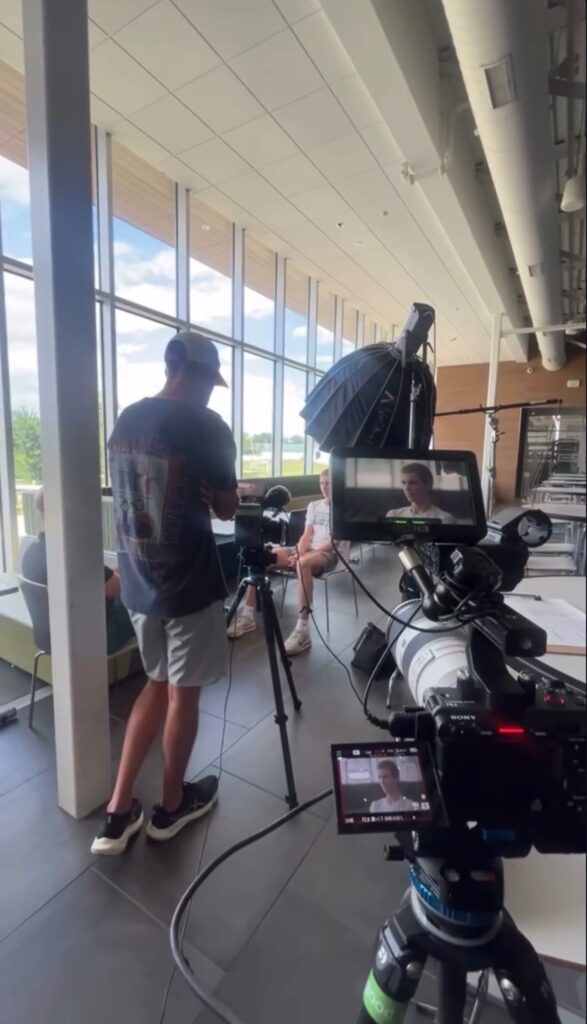
In the afternoon, the production moved to Pella High School.
There, we interviewed Coach Doug Cutler, assistant coach Robin Hammann and several of the athletes who may become central voices in the film.
The interviews were intentionally brief. We were not trying to capture their entire stories in one sitting. We wanted to establish where they stood at the beginning of the season:
What are they hoping for?
What are they carrying?
What does leadership look like for them?
What might this season ask them to become?
The answers will mean something different several months from now. That is one reason these early conversations matter.
They preserve the hopes, uncertainties and expectations that exist before anyone knows how the story will end.
Beyond the Team
Late in the afternoon, we moved into a more personal setting.
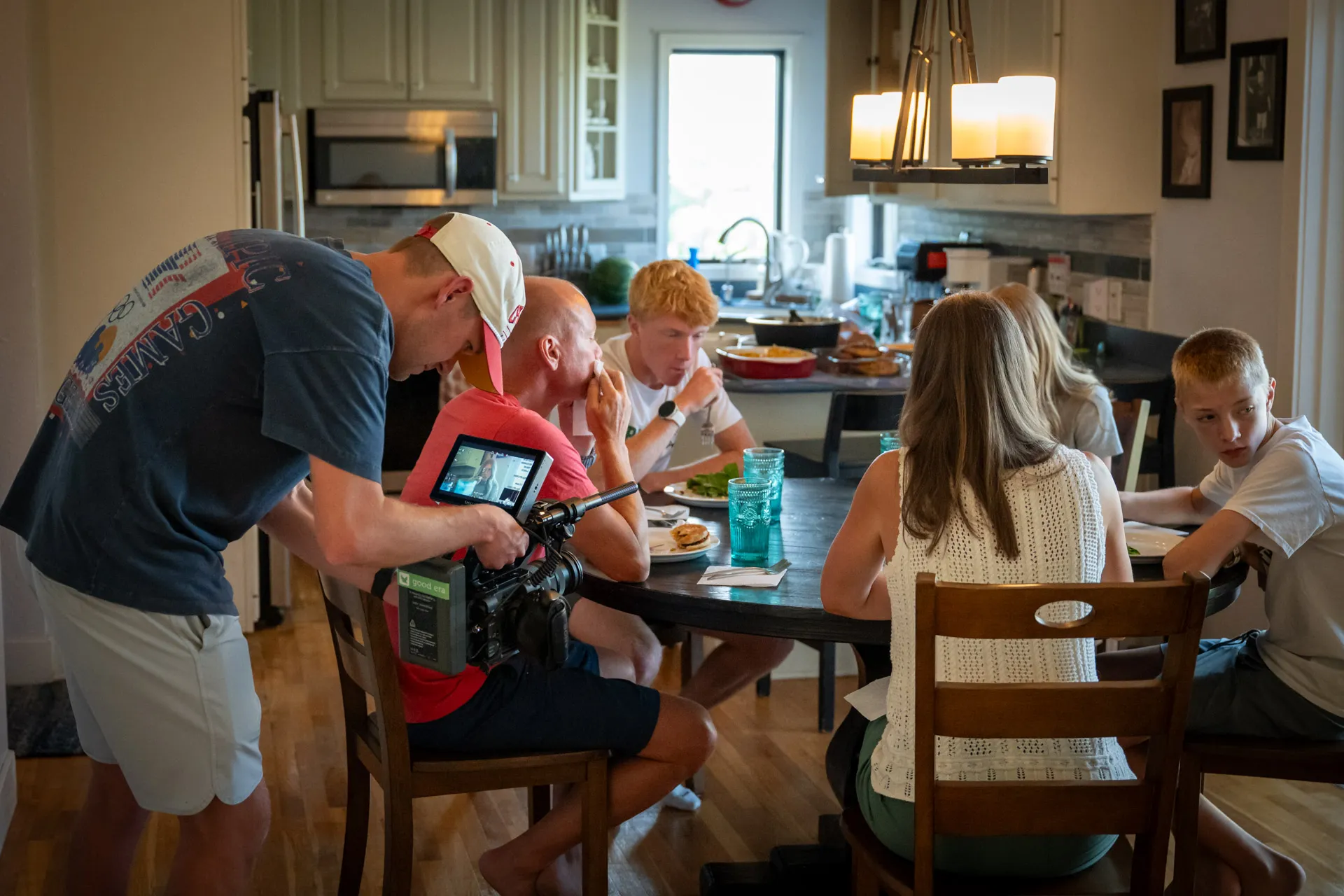
At the Dunham home, we interviewed senior Ruth Dunham and filmed time with her family around the dinner table.
It was a very different atmosphere from the trail or the school auditorium. The cameras were still present, but the pace became quieter and more intimate.
A season does not belong only to the athletes who compete in it.
Families organize schedules, prepare meals, offer encouragement and carry many of the same hopes and disappointments. Their contribution usually happens outside the view of the crowd.
Including that part of the story is important to us.
Finishing where the work happens
After dinner, we returned to the high school.
The athletes moved through individual and group filming before transitioning into the final portion of the day: strength and conditioning followed by leadership training.
The setting had changed again.
The open beauty of the lake was replaced by weight plates, concrete floors, effort and instruction. It was a fitting place to finish.
The history surrounding this team may attract attention, but history is not built through attention. It is built through repeated work—often in rooms where very few people are watching.
By the time the final equipment was packed away, we had filmed locations across Pella, recorded numerous interviews and followed the team from its morning run into the evening.
We were tired. We also understood the story more clearly than we had fourteen hours earlier.
The Beginning of Something Larger
A documentary day like this produces hours of footage, but its real value cannot be measured only in clips or interview minutes.
It is also about relationships.
Athletes become more comfortable with the cameras. Families begin to understand how we work. Our crew learns when to move closer, when to remain quiet and which small details might matter later.
We left June 18 with beautiful images and important conversations.
We also left with more questions.
Which voices will emerge as the season continues? How will the athletes change? Which ordinary moments will take on greater meaning when we look back in November?
We do not know yet.
That is why we keep filming.
Drive for Five: Chasing History is presented by Ulrich Ford and produced in partnership with Good Era Film and FilmNorth.